At ten people the founder still runs every deal, and every pilot depends on something engineering has not shipped yet. Flori keeps the deal, the pilot plan and the requests on one record, while your engineers keep working in Cursor or Codex.
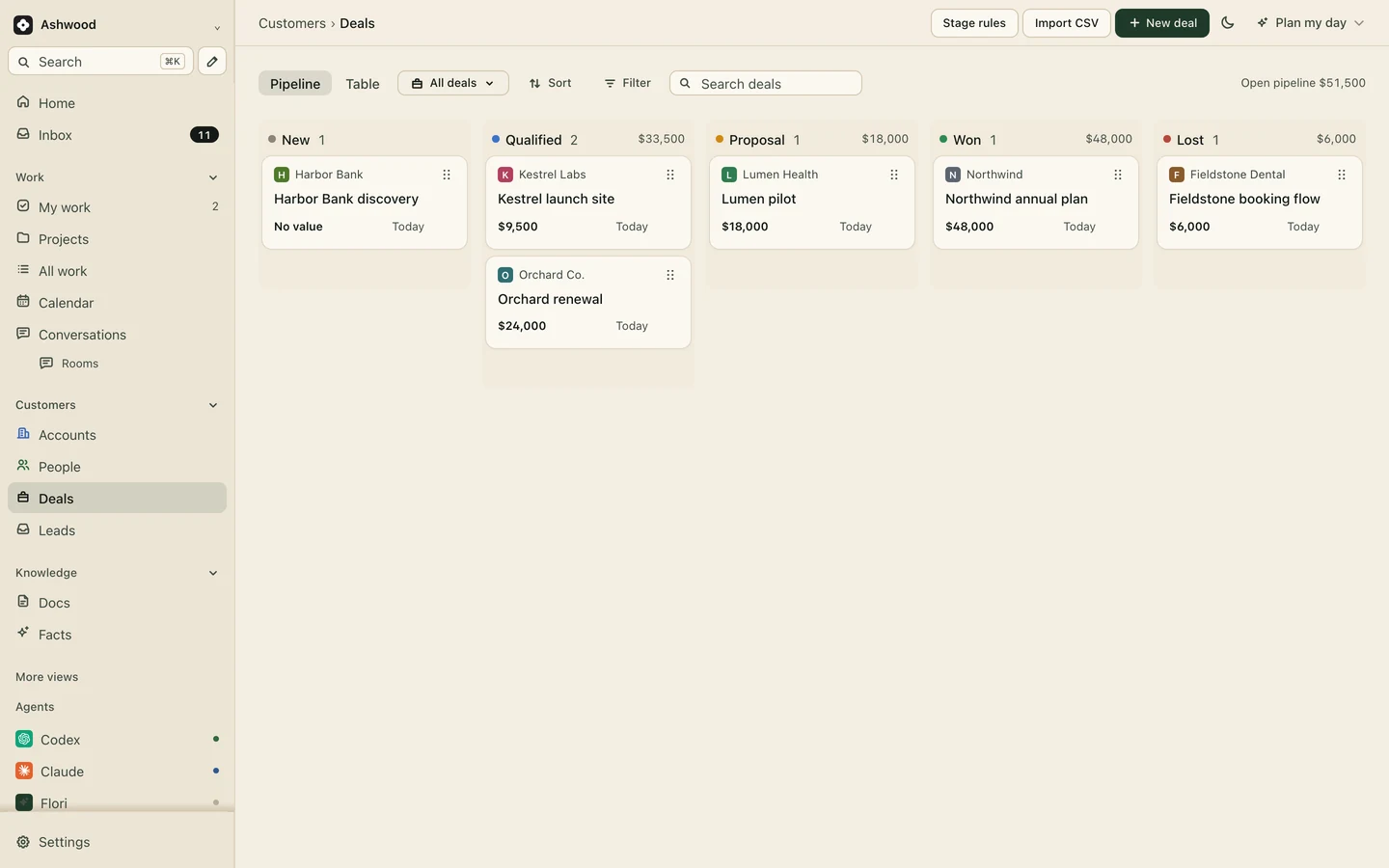
Fig. 1 · DemoThe pipeline the week Lumen Health started its pilot
Where a ten-person startup loses customers
The pilot has no owner after the call
Lumen Health signs a 60-day pilot. The success criteria sit in a doc nobody opens until day 55, and the day-30 check-in never happens.
Two customers ask, the backlog hears one
Northwind and Harbor Bank both ask for an audit log export, a week apart. The ticket has no names on it, so nobody tells either of them when it ships.
Monday sync is status read aloud
Six people spend forty minutes saying what they did, because the CRM, the issue tracker and the pilot doc each hold a third of it.
Every pilot is a project with an end date
Link the pilot to its deal and start it from the same template every time: kickoff, data import, day-30 check-in, success review. When the customer owes you something, mark the task Waiting so it shows up in sync instead of in someone’s memory.
Project templates: Core and up
Lumen Health · 60-day pilot
Deal$18,000 pilot, then annual
Success criterion3 clinics live by day 45
Data importWaiting on Lumen IT
Success reviewDec 18
MTheir IT owes us the CSV. It is marked Waiting, so it comes up Monday.
Requests keep the name of who asked
What a customer asks for on a call becomes a task linked to their account. Review captured meeting notes and accept the relevant tasks with an owner; check the saved result before relying on a handoff to engineering.
Meeting notes: Core and up
Audit log export
Asked byNorthwind, call Oct 14
Deal at stake$48,000 annual plan
OwnerJordan · In progress
ClSaved the request from the Fireflies notes and linked it to Northwind.
Engineers keep Cursor and Codex
Mark a task Ready for AI and one assistant claims it, so another connected assistant can see the claim and wait. The result waits for review with the pull request link, and once it merges the release shows on the project for whoever sells.
Approve, request changes or undo each result
Connect an assistant to one project or the whole workspace
Deployments, releases and pull request status from GitHub (Core)
Release 0.14 · GitHub
PR #212 Audit log exportMerged, from Codex
DeploymentProduction, Thu 16:40
NextEmail Northwind and Harbor Bank
JReviewed Codex’s PR this morning. Maya can tell both accounts.
A sync that starts from the same screen
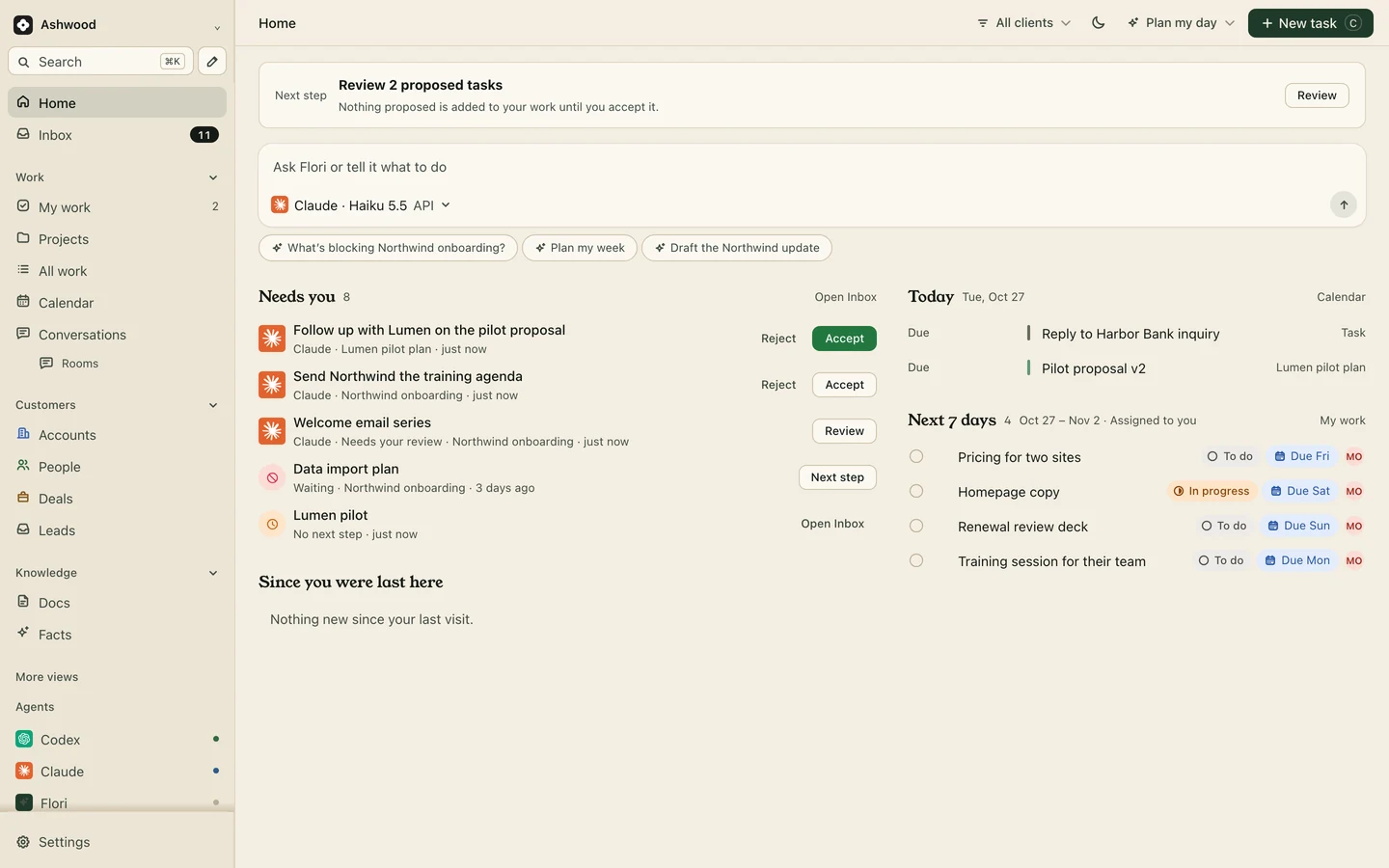
Home shows what your assistants propose, today’s tasks and the next seven days. Put the pipeline by stage, active pilots and tasks waiting on customers on one dashboard, and the Monday meeting becomes decisions instead of updates.
What the team looks at before anyone talks.
A week at a seven-person startup
Fictional example: An example from Quillmark, which sells document workflow software to logistics and health companies.
Monday
Sync takes fifteen minutes. Everyone reads one dashboard: deals by stage, two pilots, four tasks waiting on customers.
Tuesday
Maya’s call with Harbor Bank ends. The Fireflies notes become tasks, and Claude saves the export request to their account.
Wednesday
Jordan marks the export’s tests Ready for AI. Codex claims them and saves the result with the pull request link.
Thursday
The release shows on the project. Maya emails Northwind and Harbor Bank from their records before lunch.
Core, once the first pilot starts
Free covers 3 active projects and 200 customer records, enough before your first pilot. Core adds unlimited projects, pilot and onboarding templates, GitHub on the project, Slack and meeting notes. Your engineers’ assistants are never seats.
Sequences, forecasts and call recording for a sales team with quotas
A full engineering tracker with sprints across many repositories
Sending invoices or taking payment
Phone calls
Questions
When does a startup need a CRM?
Usually around the first pilot, or once you have 15 to 20 live conversations and cannot remember who asked for what. Starting then is cheap, and the history exists when your first sales hire or an investor asks for it.
Can engineering keep its issue tracker?
Yes. Plenty of teams keep their tracker for sprints and use Flori for customers, pilots and the requests that come from them. If you want to drop the tracker, see Flori vs Linear.
Do Cursor and Codex count as seats?
No. Assistants are never seats, and Flori sells no AI credits. Each engineer connects the assistant they already pay for, to one project or the whole workspace.
What does a six-person startup pay?
Core is $12 per person a month, or $10 billed yearly, so $60 to $72 a month for six people. Guests, such as an advisor or a pilot customer, are free. See pricing.