Every design partner, with what they asked for
Keep each early customer as an account with their people, their calls and the requests they made. When a request becomes work, the task links back to who asked, so you know who to tell when it ships.
When you are the whole company, the customer calls, the roadmap and the code all compete for the same afternoon. Flori keeps your early customers and the work they asked for on one record, and lets your own Claude, Cursor or Codex pick up the tasks.
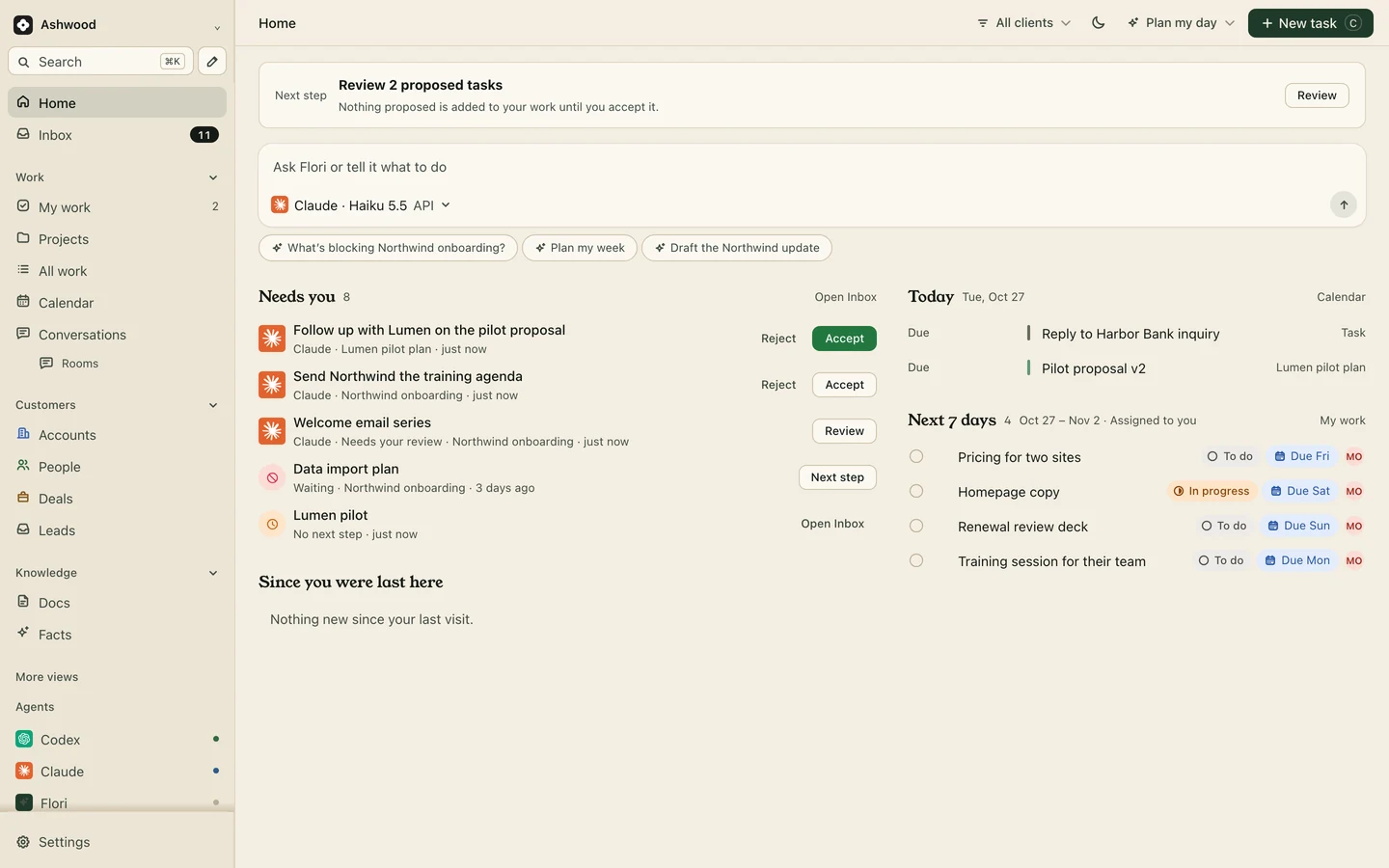
Fig. 1 · DemoOne founder’s Monday: what needs a decision today
A design partner asks for CSV export on a call. It lives in your notes app until they ask again, annoyed.
Sales in one tab, issues in another, the investor update in a doc. Each switch costs twenty minutes you do not have.
Claude or Cursor does good work in a chat, then the next chat starts from zero because nothing was saved anywhere.
Keep each early customer as an account with their people, their calls and the requests they made. When a request becomes work, the task links back to who asked, so you know who to tell when it ships.
Mark a task Ready for AI and your coding assistant claims it, does the work and saves the result with the pull request link. You review it in one queue instead of re-reading five chat threads.
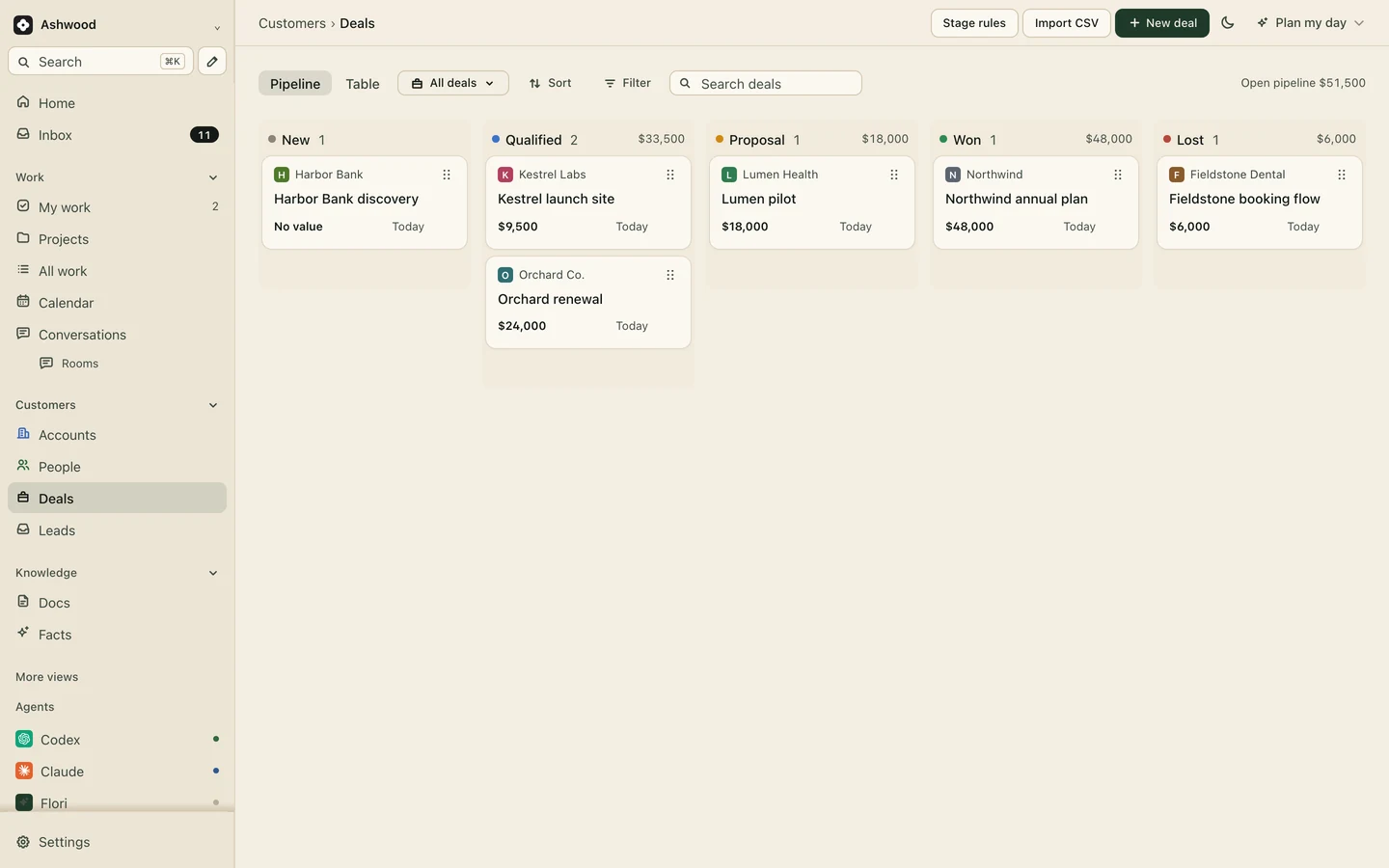
Your pipeline sits next to your projects, so on Monday you see which deal is waiting on which feature. A won deal can start an onboarding project from a template with the scope already in it.
Keep the product brief, the pricing decision and how-you-work notes as docs. Ask each connected assistant to read them before working, then verify that it used the current decision.
Fictional example: Assistants run on the plans you already pay for. Flori sells no AI credits.
Ask Claude what changed with your customers last week and which deals are waiting on a feature.
After a design partner call, Claude saves the requests to their account and drafts the tasks.
Codex claims the CSV importer fix, adds a test and hands back the pull request link.
You approve the week’s results and ask ChatGPT for the investor update from what actually shipped.
One founder, 3 active projects and 200 customer records fit the Free plan, and connecting your AI works on Free. Move to Core when you need more projects, GitHub releases on the project or a client page.
Free $0 free forever
Start freeFor a founder or a small team, often yes: projects, tasks, dependencies and an agent queue cover most early work. A larger engineering team with sprints across many repositories may still want an issue tracker. See Flori vs Linear.
Cursor, Codex, Claude Code and Gemini CLI connect to Flori, as do Claude, ChatGPT and Grok. Each claims tasks, saves results and shows which assistant made each change.
Free covers 3 active projects and 200 customer records. Core is $12 a month, or $10 billed yearly, and removes those limits. Your AI is never a seat.
Invite them as guests or publish a client page on Core. Guests are free.